
A bitcoin address is a readable form of a locking script. The address types in use today are legacy (starting with 1), SegWit (starting with 3 or bc1q) and Taproot (starting with bc1p). The type matters for two reasons: it decides how much data a spending transaction carries, and that data volume sets the fee.
The mechanism is the point. Newer address types pack the same security into fewer bytes, so a spend from a Taproot address generally costs less in fees than the same spend from a legacy address. Older coins sitting in legacy addresses still work; the network processes them all. The difference shows up at the moment you move them.
What does a bitcoin address actually encode?
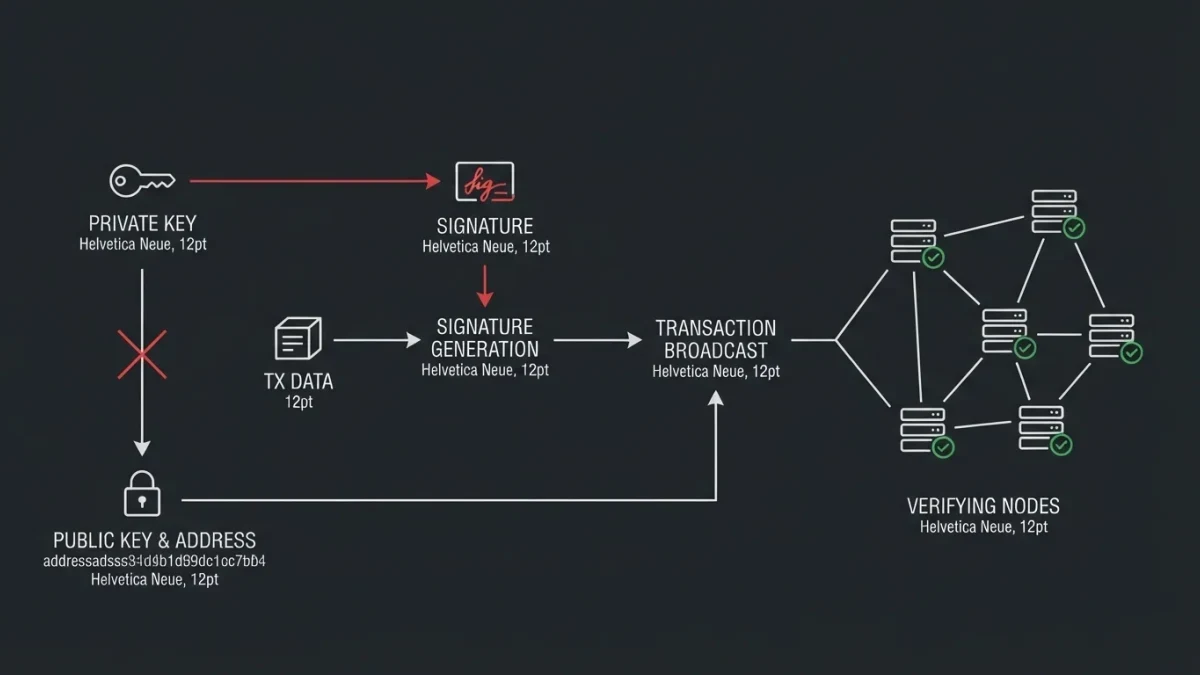
An address is not a place coins are stored. It is a short, checksummed encoding of a script that states who can spend the coins. When a wallet sends bitcoin, it builds a transaction that unlocks a previous output and locks a new one, as covered in how a bitcoin wallet signs a transaction. The address type names the shape of that lock.
Bitcoin is pseudonymous rather than anonymous. As Wikipedia's overview of Bitcoin notes, transactions are validated through cryptography, which prevents one person from spending another person's bitcoin as long as the owner keeps certain sensitive data secret. The address type changes how that ownership data appears on-chain, which is where the privacy and size differences come from.
Every spend consumes outputs from earlier transactions. Those outputs, called UTXOs, are the raw material of every transaction, and their script type is fixed when they are created. That is why the address type of the coins you received matters later, at spend time — a point explained in what a bitcoin UTXO is and why it matters.
What are legacy addresses and why do they cost more to spend?
Legacy addresses start with the digit 1. They encode a pay-to-public-key-hash script, the original format from Bitcoin's first release. To spend from one, the wallet must reveal the public key and place a cryptographic signature directly in the transaction's main body.
That placement is the cost problem. Signatures are large, and when they sit in the base transaction data they are part of every node's core validation work. SegWit's designers fixed this by moving signature data to a separate structure, which freed block space and fixed a long-standing transaction malleability quirk. Legacy spends carry the larger, older layout, so under equal fee conditions they pay more per transaction than newer formats.
Legacy coins are not worse coins. They are the same bitcoin on the same ledger. The format only affects the transaction that moves them.
What are SegWit and bc1 addresses?
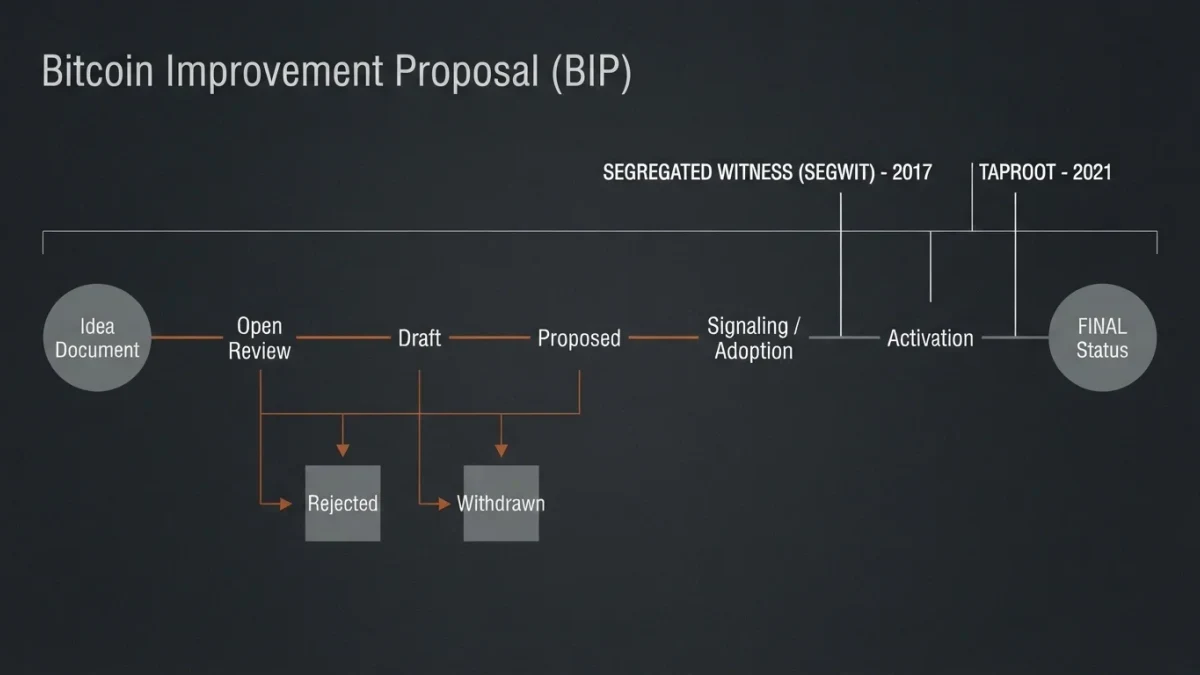
SegWit, short for segregated witness, activated in 2017 through a soft fork. Two address shapes came out of it. Pay-to-script-hash SegWit addresses start with a 3 and are widely compatible with older wallets. Native SegWit addresses start with bc1q and encode the witness program directly, which saves the most space of the two.
The practical difference is fee weight. A native SegWit spend counts less against a block's size limit than a legacy spend with the same security properties, so wallets using it pay lower fees for the same confirmation priority. Exchanges and major wallets adopted SegWit addresses broadly for exactly this reason, and bc1q became the default for most consumer wallets.
Compatibility is the one trap. Some very old services cannot send to bc1q addresses at all. Most modern software handles both 3-addresses and bc1q without trouble, but it is worth checking before a large transfer to unfamiliar software.
What did Taproot add with bc1p addresses?
Taproot activated in late 2021 through another soft fork and introduced addresses starting with bc1p. It reorganized Bitcoin's scripting around a scheme called Schnorr signatures and a construction known as MAST, which lets a wallet reveal only the spending condition it actually uses rather than every possible condition.
The headline effect is efficiency and privacy for complex spends. A simple single-signature Taproot spend is already compact. Multi-party and time-locked spends, which would previously announce their complexity on-chain, can look identical to a simple spend. Our analysis: for ordinary single-signature users the fee gain over native SegWit is modest, while for multisig and Lightning-related transactions the savings and privacy gains are more substantial.
Wallet support lagged activation by years, and it is still uneven across the ecosystem. A bc1p address is valid everywhere the network is concerned. Whether a given service can send to one is a separate question.
How do fees differ by address type in practice?
Fee weight is the honest comparison. Under Bitcoin's block limit, each transaction occupies space measured in weight units, and the address type of the inputs determines how much signature data counts. A rough ordering, from heaviest to lightest per spend: legacy, wrapped SegWit (3), native SegWit (bc1q), Taproot (bc1p).
That ordering only matters when the network is busy. Fee rates move with demand, as described in how bitcoin transaction fees and the mempool work. When the mempool is empty, a legacy spend costs nearly the same in dollar terms as a Taproot spend. When demand spikes, the same legacy coins can cost several times more to move. The format is insurance against congestion pricing.
Bitcoin's own documentation ecosystem tracks these formats as they roll out through bitcoin improvement proposals, the process that standardized each address type in turn. SegWit and Taproot both arrived that way: proposed, debated, and activated as soft forks that older software could still follow.
What should you know when moving coins between wallet types?
Moving coins from an old format to a new one is a normal on-chain transaction, not something special. The coins leave the legacy output and land in a new output of whatever type the receiving address uses. From then on, future spends enjoy the newer format's lower weight.
Three checks matter before any such move. First, confirm the receiving wallet genuinely supports the address type it displays; a bc1p address pasted into software that cannot parse it will simply fail, and some wrong-prefix pastes can be rejected by checksums. Second, send a small test amount first when moving to unfamiliar software, then confirm arrival before sending the balance. Third, remember the spend itself pays the fee at the old format's weight, so consolidating many small legacy outputs costs more than moving one large one — a UTXO-count effect worth planning around.
Coins in legacy addresses remain fully spendable and secure. There is no deadline and no expiry. The case for migrating is economic and practical, not urgent, and it depends on how often you expect to move the coins and what fee conditions look like when you do. Crypto markets are volatile and losses are possible in any bitcoin activity; address type is a cost detail, not a risk decision on its own.
Which address type should you use?
Use the newest type your wallet and the services you deal with both support. Today that usually means bc1q, or bc1p where the sending side handles Taproot. Keep legacy addresses only where an old service requires them. The prefix is a compatibility and cost choice, not a security upgrade: a well-backed-up wallet in any format holds the same coins with the same cryptography behind them, as the network's design has guaranteed since the genesis block in January 2009, per the CoinMarketCap bitcoin reference page.