
Crypto News
How Crypto Regulation Actually Works: Who Oversees What
United States crypto oversight splits duties among the SEC, the CFTC, and FinCEN, with statutes from 1933 and 1934 still setting the frame.
October 31, 2026
United States crypto oversight splits duties among the SEC, the CFTC, and FinCEN, with statutes from 1933 and 1934 still setting the frame.

Price times supply is easy to compute and easy to misread. Here is what the number measures, and the four questions it cannot answer.
Hashprice is the dollar revenue one unit of mining power earns per day, combining the block subsidy and fee share into the number that anchors miner economics.

The prefix on a bitcoin address tells you the script format behind it, and the format sets the fee you pay to spend.

The issuance shock behind the four-year rhythm, what history does and does not establish, and why the pattern may fade as the reward shrinks.
The mechanism that keeps a spot bitcoin ETF's share price tied to bitcoin itself, and what changed when regulators let authorized participants trade the coin…

Every candle compresses four prices into one shape. Learning what those shapes do and do not tell you is the first skill in market reading.

A venue decision that starts with what you cannot verify, not with what the marketing promises.

Registered advisers manage over $100 trillion. The proposed rule decides who gets a compliant path to hold crypto for clients.

Thin order books, small circulating float and locked supply decide how far altcoins fall — before any news does.
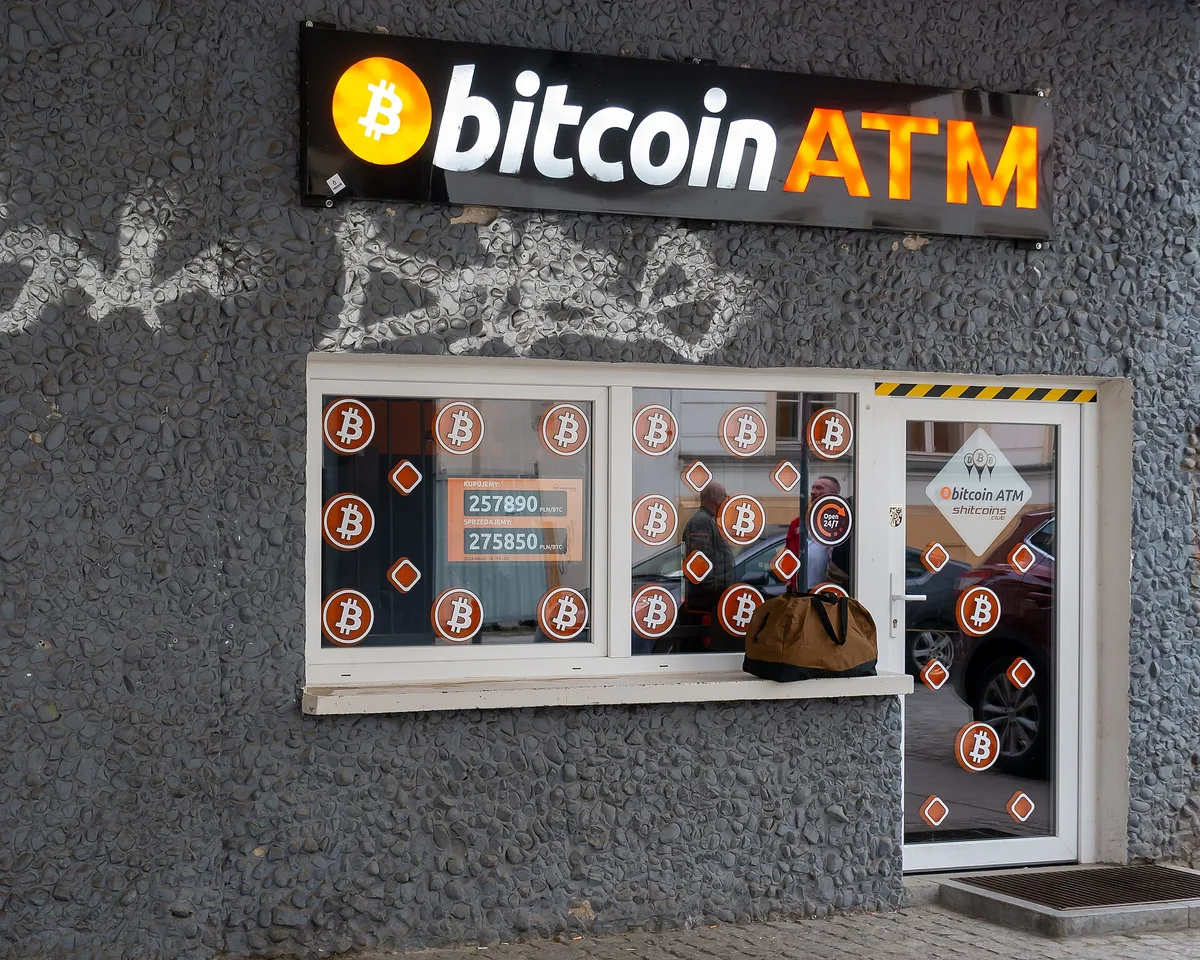
A de-risking move into Wednesday's Fed decision, with the levels and signals that matter spelled out.

The inflation print matters less for its headline number than for what it does to Fed policy pricing — and the analysts reading it disagree about which side of…

A quarterly filing for a bitcoin miner reads like a utility bill stapled to a trading account. Here is what each line item actually measures.

Commodity prices are macro data in real time. Reading them costs nothing and explains a lot.
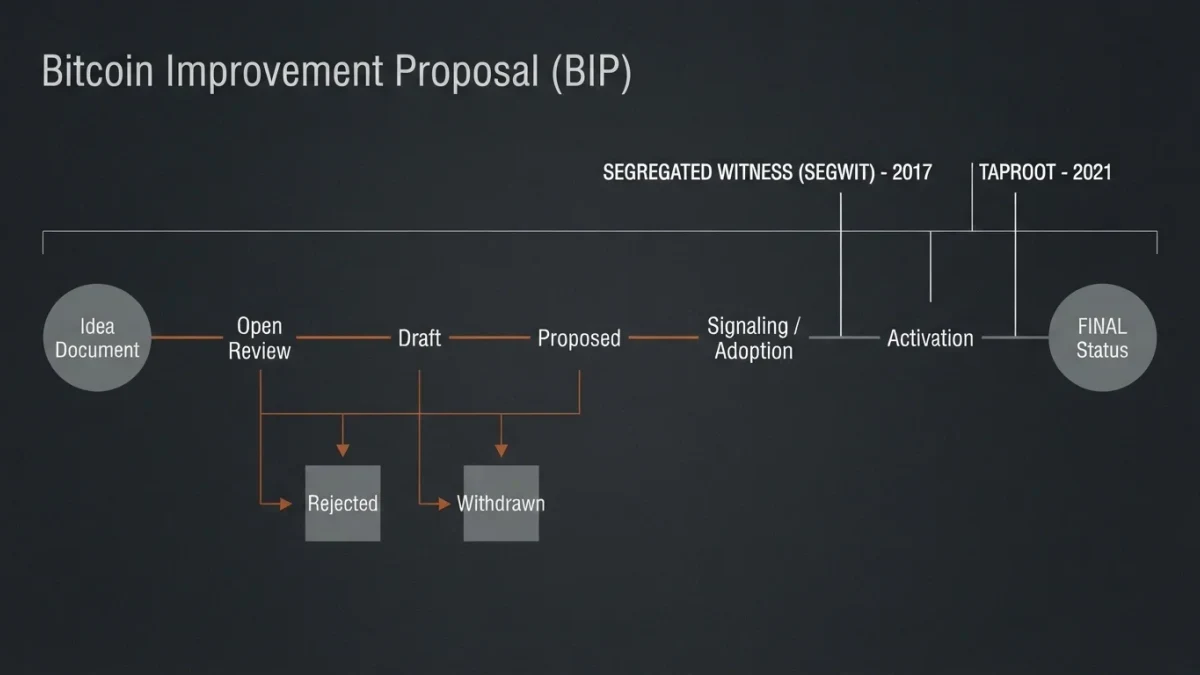
Bitcoin Improvement Proposals are the numbered design documents through which the protocol evolves — from wallet backup words to SegWit and Taproot — reviewed…

Position sizing is the arithmetic that converts a tolerable loss into a position size before the trade is placed — and it, not the entry, decides whether an…

A $606.3 million single-day inflow into spot bitcoin ETFs, led by BlackRock's IBIT, followed a week in which the same funds shed $389.7 million amid miner…
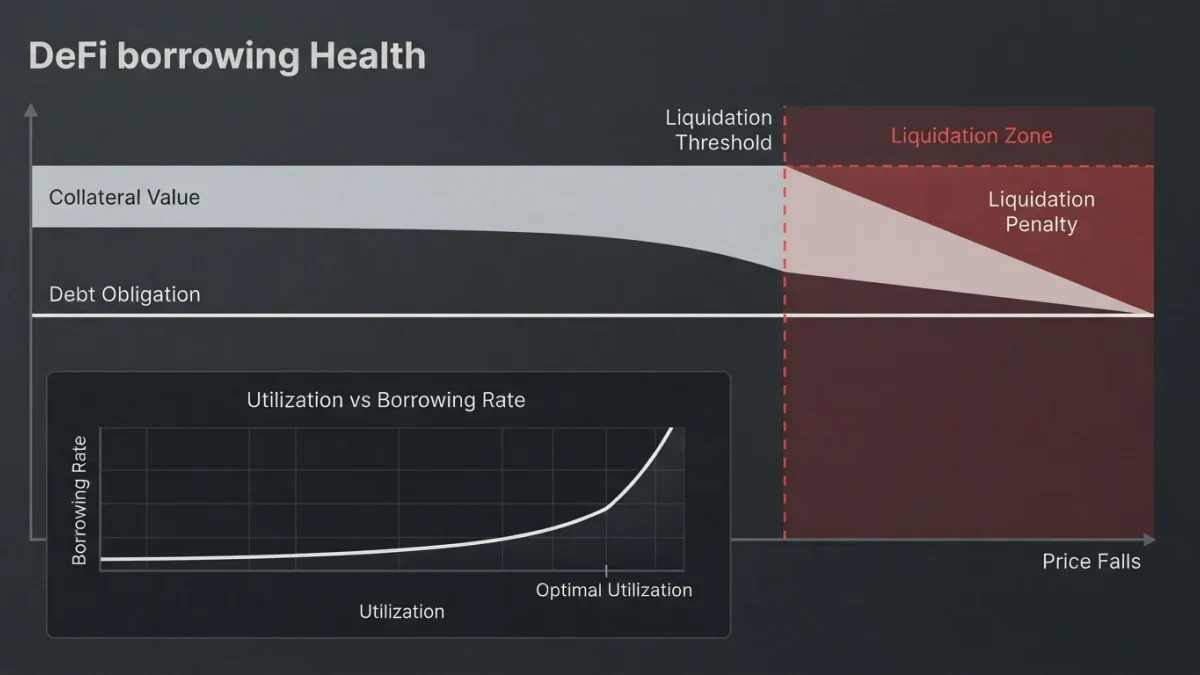
DeFi lending protocols let strangers borrow against overcollateralized deposits managed by smart contracts — no credit checks, just margin rules enforced by…