
October 2026 is shaping up as a test of whether capital rotates out of bitcoin and into altcoins, after bitcoin's strong third-quarter recovery, according to Bitcoin Foundation. The publication's watchlist names six assets entering the quarter with different catalysts: Ethereum, Solana, XRP, Chainlink, Sui and Avalanche. Each carries a stated price as of late September: ETH at $2,518.27, SOL at $101.41, XRP at $1.39, LINK at $11.38, SUI at $0.7213 and AVAX at $7.40.
The mechanism behind an altcoin rally is rotation, not sentiment. Bitcoin dominance — bitcoin's share of total crypto market value — is the signal to watch. A sustained decline may indicate investors moving toward ETH and other assets, per Bitcoin Foundation. But falling dominance alone does not confirm an altcoin season: market breadth, trading volume and stablecoin liquidity also matter. Anyone tracking the rotation should treat dominance as one input, not a verdict.
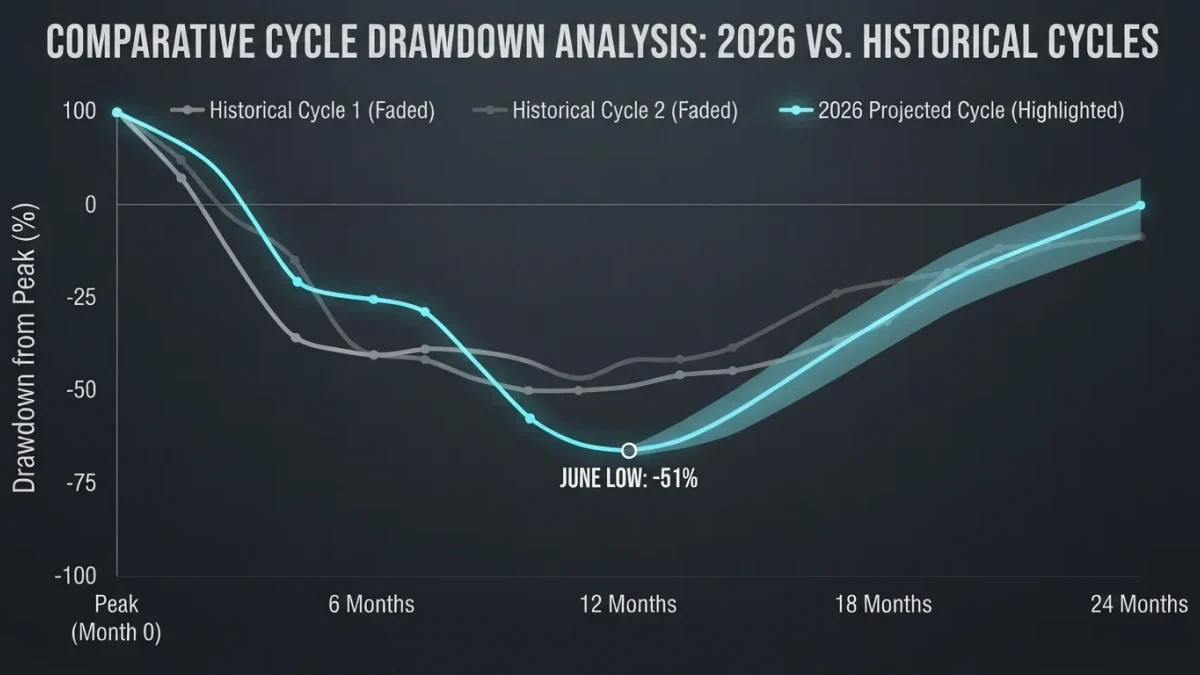
For broader context on the largest asset's own trend, see our coverage of bitcoin's July recovery after the June washout, and the altcoins hub for standing coverage of the sector.
What catalysts do the six assets carry into Q4?
Each asset enters October with a named, dated catalyst, per Bitcoin Foundation. Ethereum's is the Glamsterdam upgrade, layered on top of its position as the largest smart-contract ecosystem supporting DeFi, stablecoins, tokenization, staking and Layer 2 infrastructure. Solana's is Alpenglow, a planned consensus upgrade targeting significantly faster finality while preserving the existing execution environment. Avalanche has already completed its Helicon mainnet upgrade, which changed C-Chain execution, gas pricing and validator economics.
The other three catalysts are commercial rather than technical. XRP enters October with expanded investment products giving traditional market participants access, alongside continued development of the XRP Ledger around payments, tokenization and trading. Chainlink's CCIP 2.0 adds compliance features and configurable cross-chain settlement to its oracle and cross-chain infrastructure. Sui's catalyst is its Basecamp conference in October, where new product announcements could attract market attention.
Which risks does the data flag that the rally framing softens?
This is where the watchlist is more useful than most rally previews. Bitcoin Foundation attaches a specific risk to every asset, and the risks are not interchangeable. For Ethereum, the concern is weak fee growth or delayed upgrade progress — network usage, not price, is the variable. For Solana, it is high volatility and execution risk around Alpenglow. Sui carries token unlocks, dilution and higher volatility, the classic liability structure of a younger Layer 1.
Two entries carry a subtler warning worth restating plainly. Chainlink's protocol adoption, Bitcoin Foundation notes, may not translate directly into LINK demand — infrastructure usage and token value are separate questions. Avalanche's Helicon upgrade, the publication adds, cannot by itself create lasting token demand; a sustained comeback requires stronger user activity and renewed capital. Upgrades ship on schedules. Demand does not.
How do the six compare on structure and risk?
Bitcoin Foundation's own table, condensed here, shows the spread between catalyst, strength and risk:
| Asset | Catalyst | Stated strength | Stated risk |
|---|---|---|---|
| ETH ($2,518.27) | Glamsterdam upgrade milestones | Largest smart-contract ecosystem, institutional access | Weak fee growth, delayed progress |
| SOL ($101.41) | Alpenglow roadmap | High activity across trading, payments, DeFi | High volatility, execution risk |
| XRP ($1.39) | Institutional products, ledger adoption | Payments, tokenization, regulated access | Demand may depend on sentiment |
| LINK ($11.38) | CCIP 2.0, RWA growth | Oracles, cross-chain infrastructure | Adoption may not drive token demand |
| SUI ($0.7213) | Basecamp, announcements | High-growth Layer 1, expanding DeFi | Unlocks, dilution, volatility |
| AVAX ($7.40) | Helicon upgrade (completed) | Institutional tokenization, custom chains | Needs user growth and liquidity |
The pattern is consistent: larger-cap assets offer deeper markets and smaller percentage swings; smaller networks can deliver stronger percentage moves in favorable conditions, per Bitcoin Foundation, at the cost of the dilution and volatility risks listed above. Readers who want the mechanics behind those swings can start with trading coverage, and the fear-and-greed explainer on what sentiment indices actually measure. Readers following this should also see What the Crypto Fear and Greed Index Actually Measures.
What would confirm or break the rotation thesis?
Confirmation, per the source, requires more than a falling bitcoin dominance reading: breadth across assets, sustained trading volume and stablecoin liquidity all need to move together. The break case is equally specific. Institutional demand for XRP could depend heavily on market sentiment. Sui's supply schedule keeps dilution in play regardless of ecosystem news. And Avalanche's own entry condition — stronger user activity and capital growth — is the same condition whose absence currently defines it as a comeback candidate rather than a leader.
The honest reading of the October 2026 setup is that the catalysts are dated and checkable, while the rally itself is a conditional claim that no listed factor confirms in advance. Prices above are as of the source's late-September snapshot and will have moved. Crypto markets are volatile, and losses are possible in any direction the rotation takes. This connects to our earlier piece, Crypto Hacks Hit a Record 207 Incidents in H1 2026 While Losses Fell Below $1 Billion.
This article is for general information only and is not financial or investment advice.